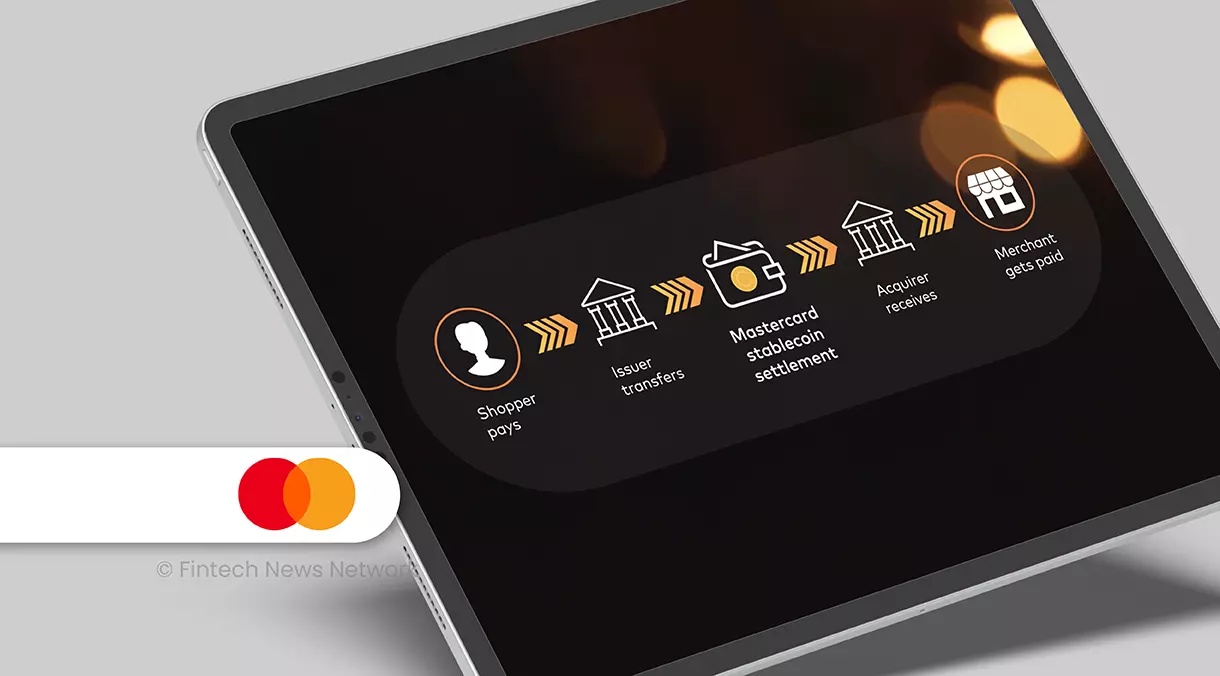




Mastercard has announced plans to expand its settlement capabilities by introducing intraday, weekend, and holiday settlement options.
The update supports both fiat currencies and on-chain settlement using regulated stablecoins for card network settlement flows.
The enhancements aim to give issuers and acquirers greater flexibility in settling transactions across the global network.
This functionality is designed to help improve liquidity management and expand options for corporate money movement.
Expanding network flexibility
The global infrastructure currently supports various settlement models to align with the business, regulatory, and liquidity needs of partners.
These new options introduce greater flexibility in timing and liquidity while operating alongside existing ecosystem processes.
The capabilities are relevant for treasury, payouts, and cross-border transactions where timing and transparency are critical.
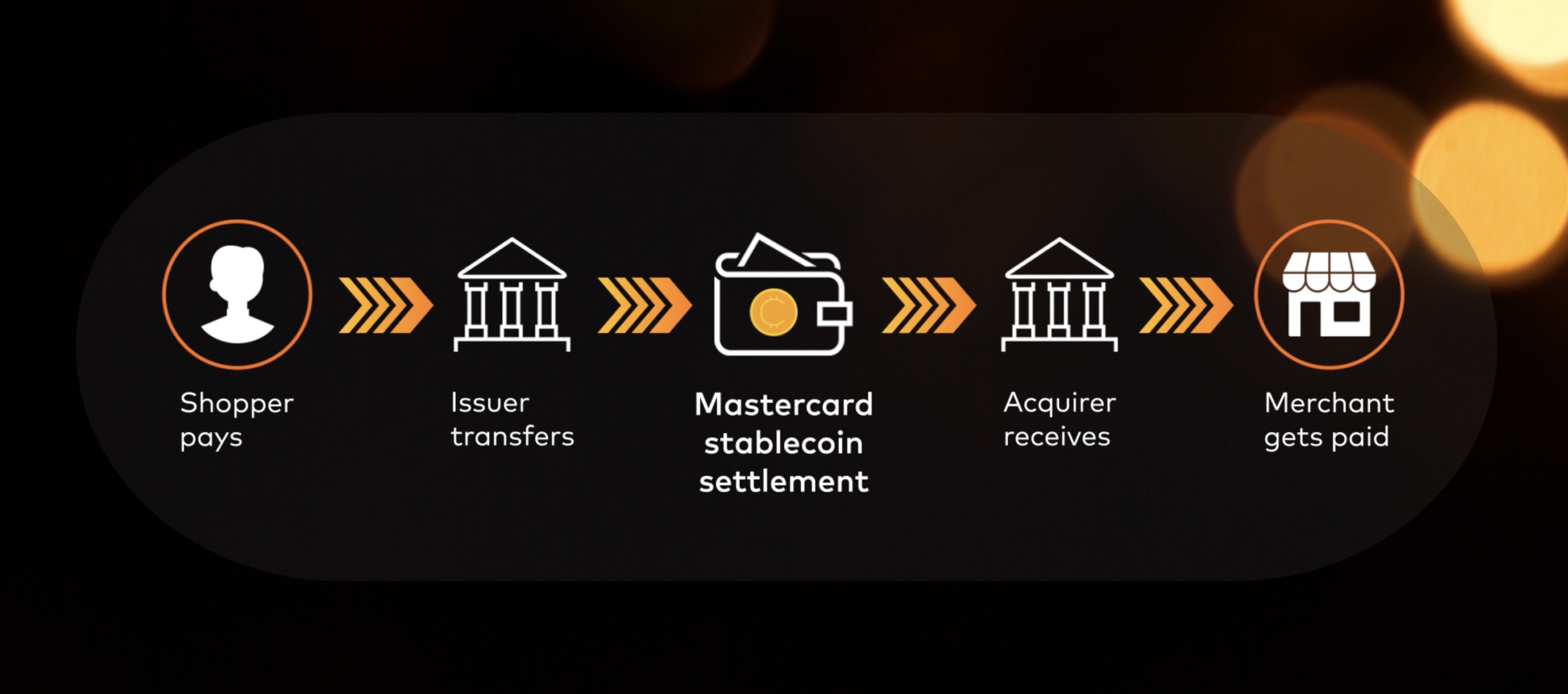
Stablecoin settlement represents an optional method for partners to incorporate regulated digital assets alongside existing traditional rails as adoption evolves.
Mastercard will support regulated stablecoins including Circle’s USDC, which already supports early on-chain settlement flows in select markets.
The network will also enable Paxos-issued stablecoins including PYUSD, USDG, and USDP, alongside Ripple’s RLUSD and SoFi’s SoFiUSD.
These digital assets will be enabled across several blockchain networks, including Arbitrum, Base, Canton, Ethereum, Polygon, Solana, Tempo, and XRPL.
Initial support for stablecoin settlement optionality is expected in the United States and Latin America through companies such as ARQ, CBW Bank, Cross River, Lead Bank, and Nuvei, with further expansion planned through 2026.
Network security and scaling
The network-level enhancement allows partners to access traditional and digital asset-based settlement through their existing global infrastructure.
This model ensures consistency, scalability, and interoperability across the ecosystem while preserving existing protection frameworks, security standards, fraud safeguards, and dispute processes.

“The next phase of stablecoin adoption is about real-world utility, especially in settlement, where timing and liquidity matter most,”
said Raj Dhamodharan, Executive Vice President, Blockchain and Digital Assets at Mastercard.
Dhamodharan stated that the introduction of intraday and weekend options expands how partners manage liquidity in an always-on digital economy, while maintaining the trust and resilience expected from the network.
The expanded settlement capabilities will continue to roll out globally, subject to local regulation, with additional regions, partners, and regulated stablecoins added over time.
Featured image credit: Edited by Fintech News Switzerland, based on image by graphiculon via Magnific